Impact focus area
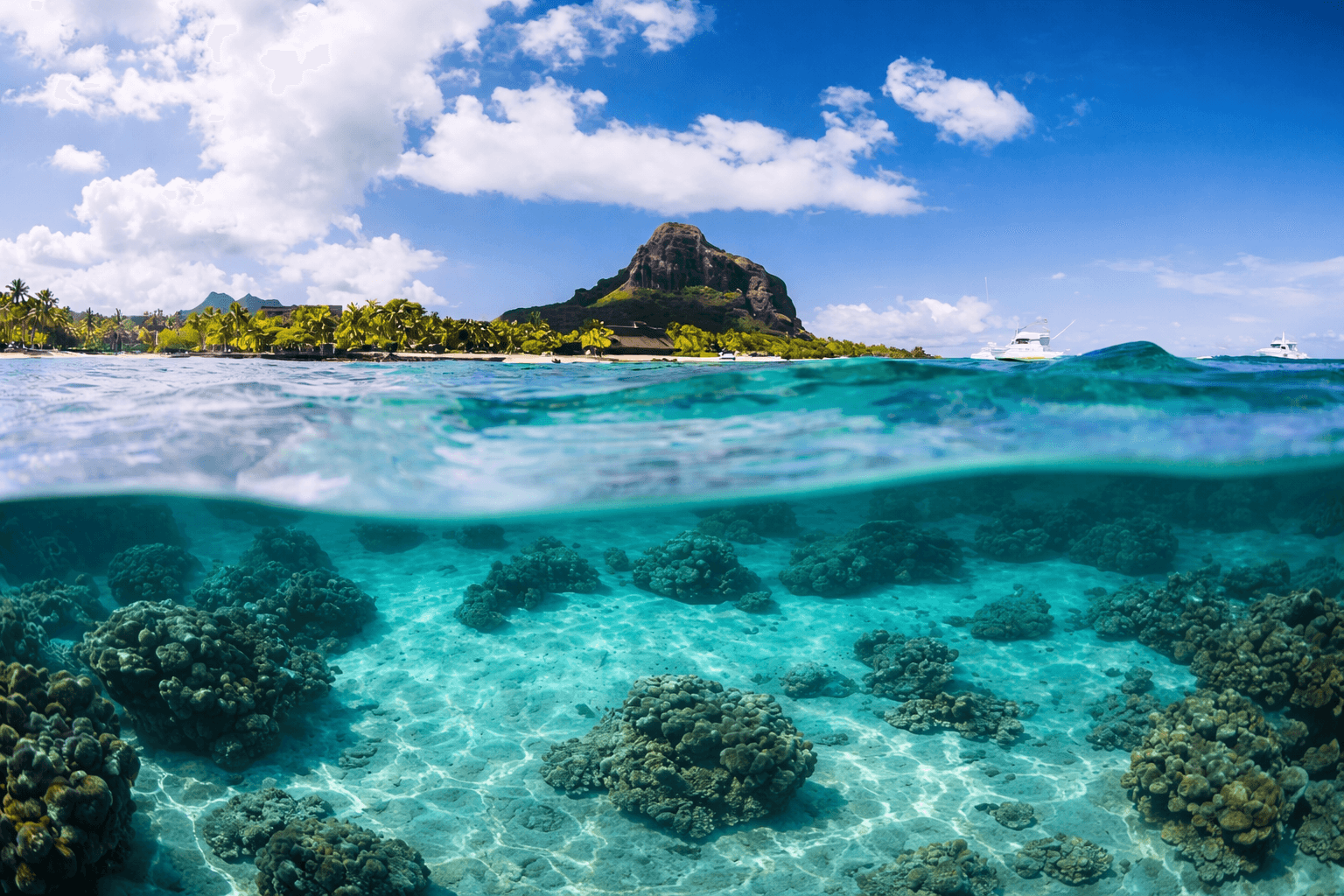
Blue economy
Recovery of natural water ecosystems as drivers of biosphere resilience and blue-economy value
Overview
Projects for water quality, pollution reduction, and ecosystem resilience across seas, coasts, lakes, and rivers. Activities include technologies and system solutions for oil-spill response, contaminated-water remediation, and long-term ecosystem recovery.
Flagship project
CoherenSea
Petroleum-free water, sand, and marine life
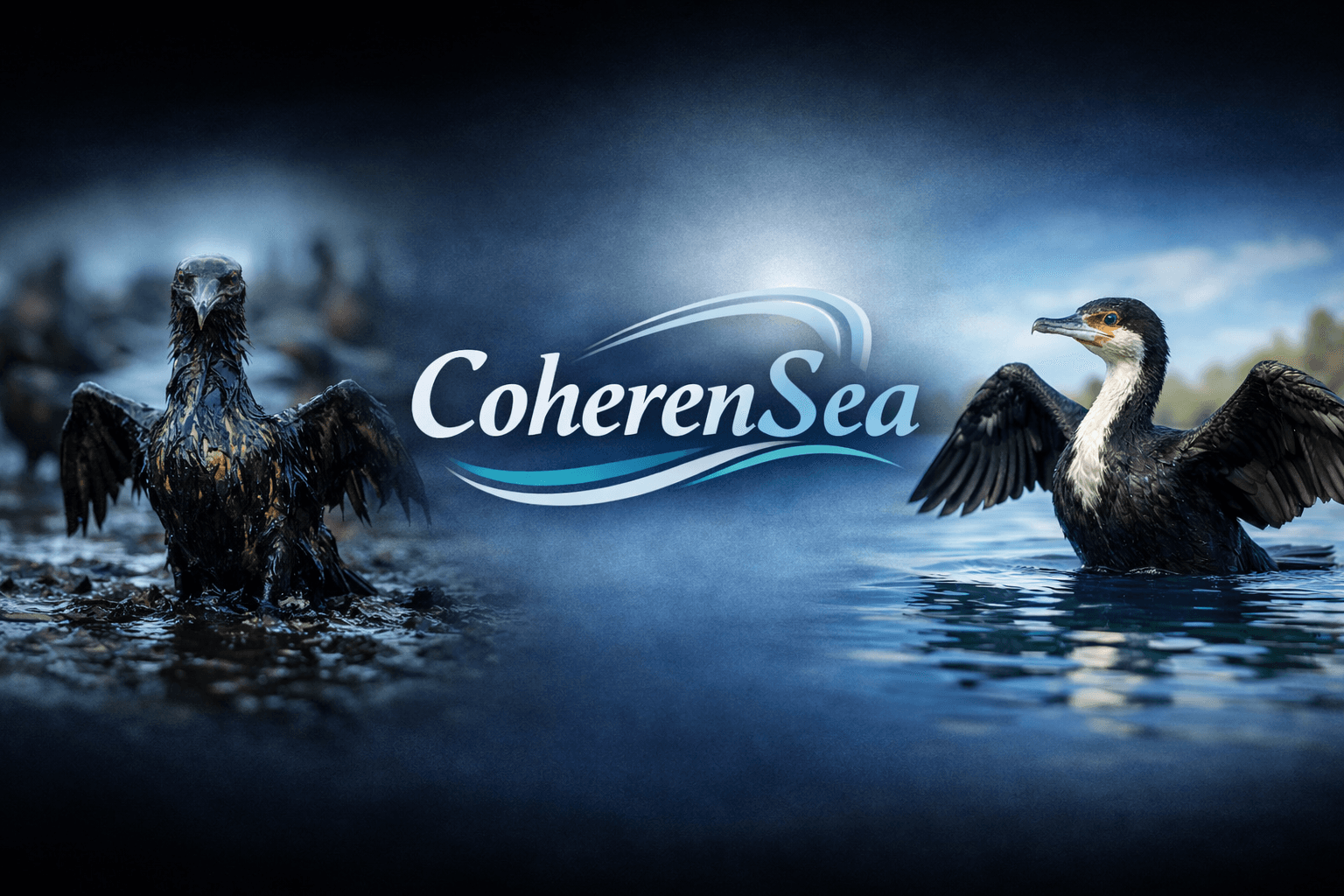
Oil spills and petroleum pollution can severely damage coasts, marine life, and wildlife. Many cleanup methods are too slow, too toxic, or do not work well in cold water, salty conditions, or on beaches, rocks, and animals.
- Marine oil spill response (open water, coastal zones)
- Shoreline and beach remediation (sand, rocks, sediments)
- Wildlife decontamination (birds, marine mammals)
- Contaminated soils and landfill leachates
- Industrial and wastewater hydrocarbon treatment
- Emergency response systems and oil spill contingency planning (OSCP)
- Hybrid physicochemical–biological remediation
- Non-ionic surfactant emulsification
- Yeast-derived biocatalysis
- Indigenous microbial stimulation
- Accelerated hydrocarbon oxidation and biodegradation
- Rapid hydrocarbon breakdown
- Biodegradable cleanup solution
- On-site remediation capability
- Wildlife-safe cleaning
- Odor elimination
- Water quality recovery
- Reduced disposal volumes
- Emergency response acceleration
- Safer emergency response for workers and communities (no PPE required in application)
- Reduced health risks from toxic hydrocarbons and vapors
- Lower operational and cleanup costs for governments and operators
- Improved disaster response capacity and infrastructure readiness
- Protection of livelihoods dependent on coastal and marine ecosystems
- Accelerated degradation of petroleum hydrocarbons
- Reduced toxicity for flora and fauna
- Recovery of marine biodiversity (safe for animals and ecosystems)
- Prevention of secondary pollution from toxic dispersants
Blue Economy
Projects in development
Water sustains life across natural ecosystems, from seas and coasts to lakes and rivers. The Institute helps develop remediation projects by testing innovative methods and moving them toward technical readiness (TRL) for practical deployment.
- River TreatmentMicrobiological risk reduction for public health and river ecosystem protection
- Lakes & Ponds TreatmentAlgal bloom mitigation for human safety, biodiversity, and ecological recovery