
Impact focus area
Climate & Natural Systems
Science, monitoring and evidence for restoring freshwater ecosystems and understanding their climate and biodiversity impacts
Overview
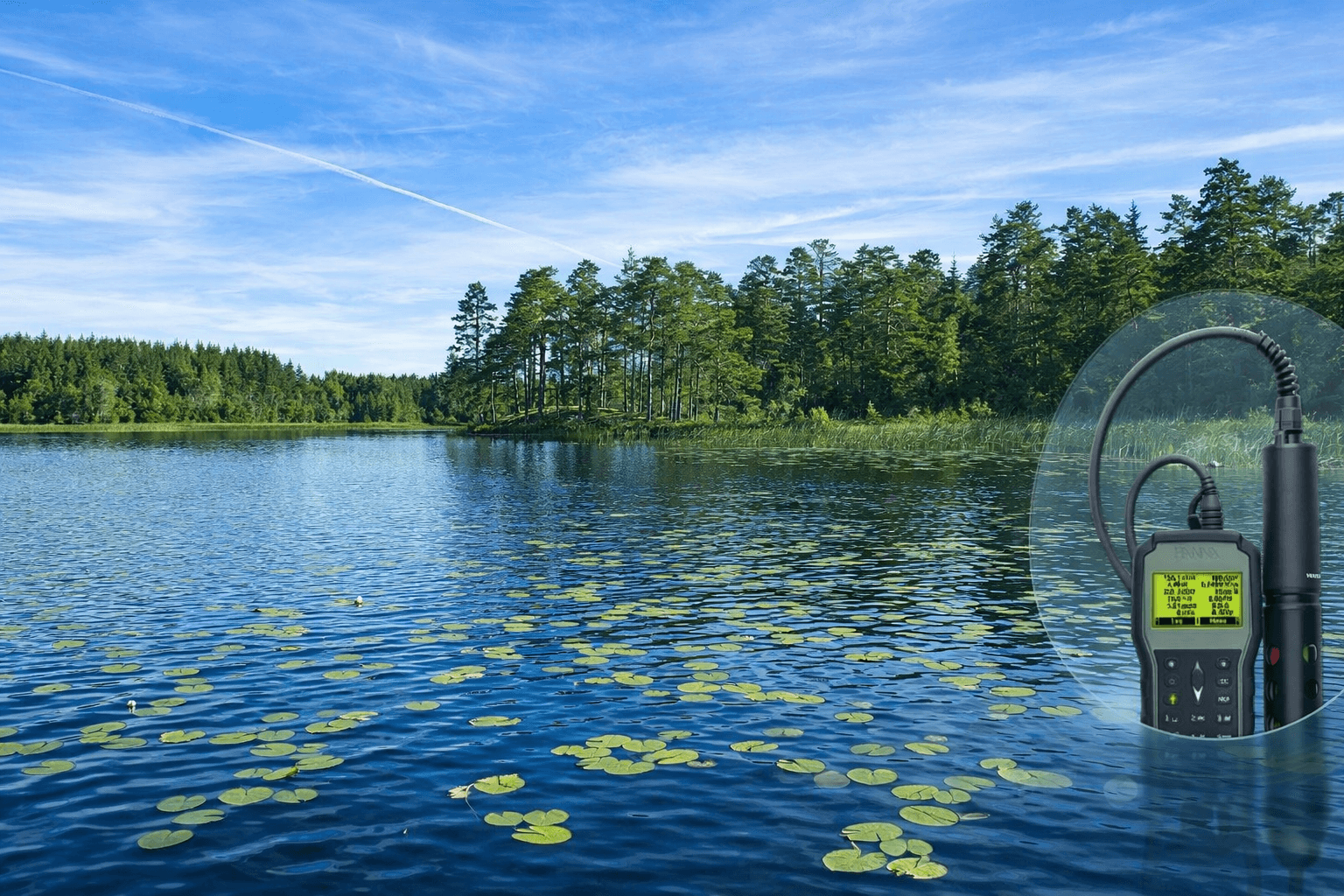
Water-related projects need both real-time monitoring technologies and strong MRV frameworks. Sensors, cloud-based data systems, GPS tagging, and mapping tools help make water conditions visible, traceable, and easier to manage over time. But data alone is not enough. Standardized methodologies and reporting protocols are needed to make the data usable for verification, project comparison, and environmental finance.
Flagship project
EutroLakes
Methane (CH₄) reduction by eutrophic water remediation
Blooming (eutrophic) waters can become major methane sources, but they are still largely missing from climate monitoring and finance systems. Without proper MRV, eutrophic water remediation cannot be valued or funded as a credible climate action.
- Eutrophic lakes, reservoirs, ponds
- CH₄ and CO₂ flux monitoring and annual upscaling
- MRV systems for remediation projects
- Carbon-credit methodology development
- Climate and biodiversity finance screening
- Policy support for inland-water remediation
- Methane and carbon dioxide flux accounting
- Spatial zonation and area weighting
- Seasonal and pathway coverage
- Annual emissions upscaling
- Nutrient-oxygen-methane dynamics
- Auditability and uncertainty tracking
- Carbon footprint of lake remediation
- Flux-based MRV template
- Core database parameters
- Annual emissions reporting
- QA/QC audit trail
- Carbon-credit readiness
- Policy and finance evidence
- Supports water management and better evidence for public decisions
- Helps governments, utilities, and investors assess remediation value more clearly
- Improves the basis for climate finance, green bonds, and future carbon-credit systems
- Can support healthier waters for communities, fisheries, and drinking-water systems by linking remediation to measurable outcomes
- Targets methane reduction from eutrophic inland waters
- Supports restoration of oxygen and nutrient balance in degraded waters
- Supports biodiversity in terrestrial and aqueous ecosystems
- Climate mitigation by nature-based solutions
Monitoring & MRV
Projects in development
Development of monitoring and reporting frameworks for water-related projects that ensure consistent measurement, documentation, and verification
- Algal blooms (online data)Multi-sensor probes to measure water temperature, pH, ORP, chlorophyll, oxygen, turbidity.
- Petroleum contamination (online data)Multi-sensor probes detecting refined and crude oils
- Emissions of CH₄ and CO₂ (online data)AutoChamber, AQUA-Flux (Woodwell Climate), Pondi
- NEW carbon credit protocolMethane (CH₄) avoidance protocol for the remediation of eutrophic waters, including lakes and ponds. The protocol supports carbon-credit generation while delivering the deeper environmental value: restoring water quality, local biodiversity, and ecosystem services.